博文

10 Frequently Asked Questions about SBR latex

图片
    What is SBR latex, and how is it produced?   SBR latex, or  Styrene Butadiene Rubber latex , is a synthetic latex emulsion derived from the polymerization of styrene and butadiene. It is produced through a process called emulsion polymerization, where the monomers are dispersed in water to form a stable latex.     What are the primary applications of SBR latex? SBR latex finds application in various industries, including adhesives, carpet backing, construction materials, and coated fabrics. It is commonly used as a binder in latex paints, mortar additives, and as a modifier in cementitious materials.     How does SBR latex enhance the performance of adhesives? SBR latex improves the adhesive properties by providing flexibility, adhesion, and durability. It is commonly used in carpet adhesives, paper adhesives, and construction adhesives to enhance the overall performance of the adhesive product.     What role does  SBR latex ...

Applications and Significance of C3F6 Industrial Gas

图片
  C3F6 hexafluoropropylene , stands out as a crucial compound in the industrial landscape. With its unique chemical properties, this industrial-grade substance finds diverse applications across various sectors, contributing significantly to technological advancements and process efficiencies. In this exploration, we'll dissect the uses and significance of C3F6 in industrial settings. Chemical Composition and Properties C3F6 is a fluorocarbon alkene with the molecular formula C3F6. Its distinctive feature lies in its fully fluorinated structure, rendering it highly stable and chemically inert. This inertness, coupled with its low boiling point and excellent electrical insulating properties, makes C3F6 an ideal candidate for a range of industrial applications. Industrial Applications 1. Polymer Production C3F6 serves as a key building block in the production of high-performance polymers. Its inclusion in polymerization processes results in the creation of fluoropolymer materials reno...

Why is it important to add hpmc to tile adhesive?

图片
 Hydroxypropyl Methyl Cellulose (HPMC) is a commonly used additive in tile adhesives for several important reasons.  Adding HPMC to tile adhesive formulations  provides various benefits that enhance the performance and application of the adhesive in the context of tile installation. Here are some of the key reasons why  HPMC is important in tile adhesive : Improved Workability:  HPMC acts as a thickening and water-retention agent. It increases the workability of the tile adhesive, making it easier to mix and apply. The adhesive becomes more cohesive and can be spread smoothly and evenly onto the substrate. Water Retention:  HPMC helps the adhesive retain water, preventing premature drying and ensuring a longer open time. This extended open time allows installers to work with the adhesive for a longer period before it sets, which is particularly beneficial when working with larger or more intricate tile installations. Reduced Shrinkage:  HPMC helps redu...

The Power of EVA Hot Melt Adhesive

图片
In the ever-evolving world of industrial manufacturing, efficiency and precision are paramount. One key element that often goes unnoticed but plays a crucial role is  hot melt glue . It's a versatile adhesive that has transformed the way industries operate, offering a plethora of advantages that can't be ignored. In this comprehensive guide, we delve into the world of hot melt glue and how it can revolutionize your industrial processes. Understanding Hot Melt Glue: What Is It? Hot melt glue also known as hot glue, is an adhesive that is solid at room temperature but liquefies when heated. It is typically applied using a hot glue gun or other specialized equipment. The magic lies in its ability to bond quickly and securely as it cools and solidifies, making it ideal for a wide range of applications. Versatility Across Industries Hot melt glue has found its place in an array of industries, thanks to its versatility. Here are some key sectors where it plays a pivotal role: Packagi...

Understanding the Safety and Side Effects of PROTAC-Based Therapies

图片
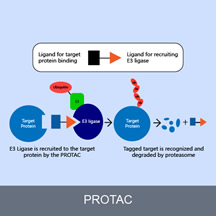
As   PROTACs (Proteolysis Targeting Chimeras)   emerge as a promising frontier in targeted drug therapy, it's crucial to not only acknowledge their potential but also understand the safety profile and potential side effects associated with these innovative molecules. In this article, we'll explore the safety considerations and side effects of PROTAC-based therapies to provide a comprehensive understanding of their impact on patients and the future of medicine. Safety Considerations for PROTAC-Based Therapies Precision Targeting: One of the primary advantages of PROTACs is their precision in targeting specific disease-associated proteins. This precision reduces the risk of affecting non-target proteins, minimizing adverse effects. Reduced Off-Target Effects: Compared to traditional drugs, PROTACs are designed to reduce off-target effects, meaning they are less likely to impact healthy cells and tissues. Potential for Lower Dosing: The specificity of PROTACs may allow for lower ...

WHAT ARE SURFACTANTS AND HOW DO THEY WORK?

图片
  Surfactants   are some of the most versatile products in the chemical industry. They are used in every industry, from household detergents to drilling mud, from food to pharmaceuticals. Basics of surfactants Surfactants are amphiphilic molecules with hydrophobic and hydrophilic parts. The hydrophobic tails are hydrocarbons, fluorocarbons or siloxanes. Surfactants are usually classified according to their polar heads, since the hydrophobic tails are usually similar. If the head group has no charge, the surfactant is referred to as a  Nonionic Surfactant . If the head group has a negative or positive charge, it is referred to as anionic or cationic, respectively. If it contains both positive and negative charges, the surfactant is called amphoteric. Anionic Surfactants By far, nonionic and  Anionic Surfactants  are the most used surfactant types in industry. Anionic surfactants are particularly suitable for cleaning products such as laundry detergents and shampo...

Hydroxypropyl Methylcellulose (HPMC): A Multifunctional Marvel in Industries

图片
Hydroxypropyl Methylcellulose (HPMC)   is a versatile compound that has found its way into an array of industries due to its unique properties and diverse applications. This comprehensive article aims to illuminate the characteristics, functionalities, and wide-ranging uses of HPMC, highlighting its significant contributions across various sectors. Grasping the Basics of Hydroxypropyl Methylcellulose (HPMC) A Modified Cellulose Derivative Hydroxypropyl Methylcellulose (HPMC) is derived from cellulose, a natural polymer found in plant cell walls. Through chemical modification, hydroxypropyl and methyl groups are introduced to enhance its solubility and performance properties. Solubility and Versatility HPMC exhibits exceptional solubility in water, making it a readily dispersible compound that finds application in a variety of contexts. Its versatility arises from its ability to modify its viscosity and gelation behavior based on concentration and environmental factors. Diverse Appl...